
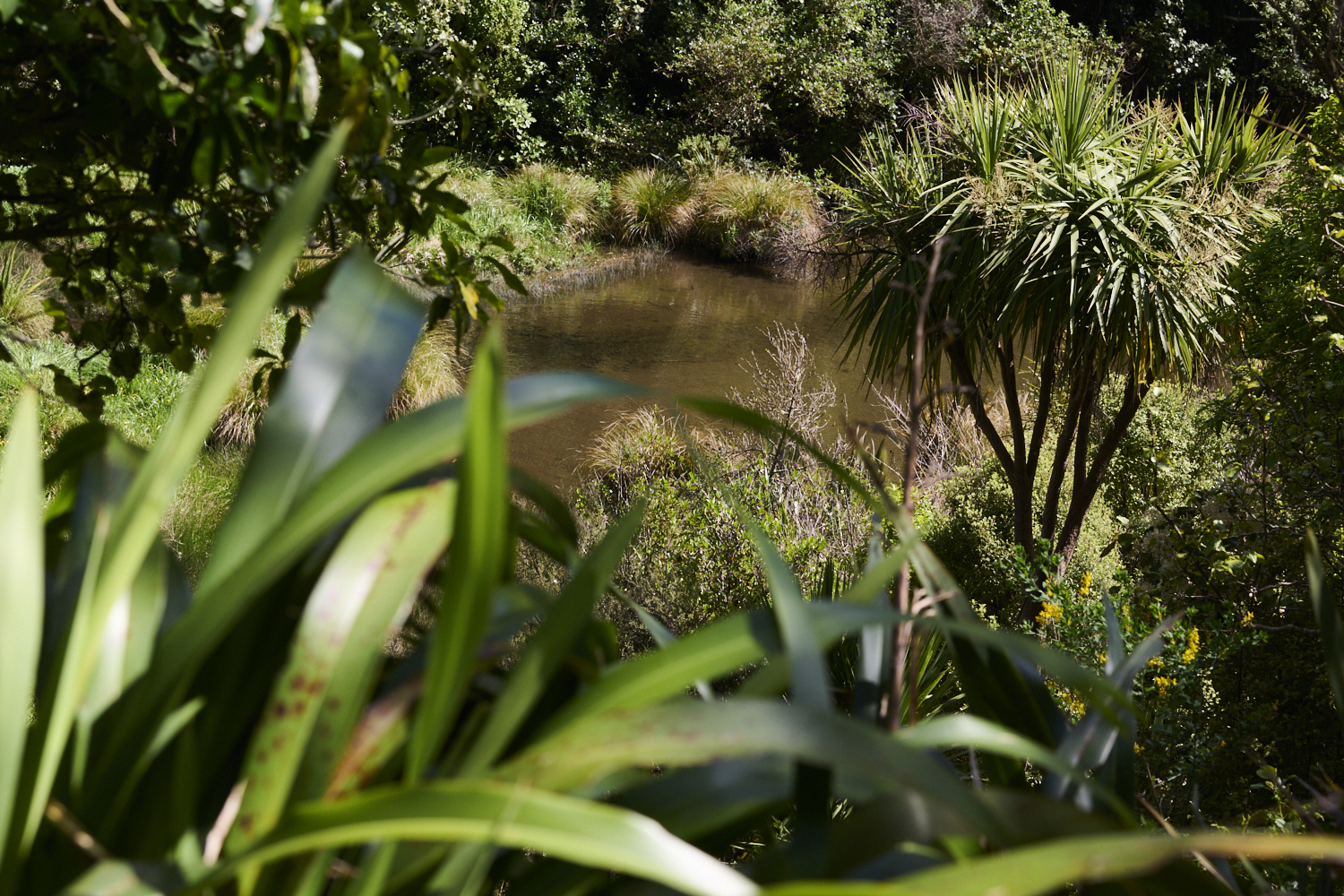
Aotearoa has lost up to 90% of its wetlands, and restoring them, alongside native forests, is one of the most effective and cost-efficient ways to reduce the devastating impacts of increasingly severe storm events. Professor David Norton argues that incentivising farmers to establish wetlands throughout hill country catchments would dramatically slow water and sediment flow downstream, while delivering major benefits for biodiversity and carbon sequestration. Wetlands are a key pillar of Recloaking Papatūānuku.
With atmospheric and ocean temperatures increasing beyond historical levels, it is inevitable that we are going to get more and more severe storm events like Cyclone Gabrielle. And as we are reminded every time there is a severe storm event – Nelson in 2022, Auckland floods and Cyclone Gabrielle in 2023, Wairoa in 2024, Cyclone Vaianu in 2026, and the recent (April 2026) severe flooding in Wellington, to name just a few – our landscapes are not resilient to these events, and we end up with massive impacts on infrastructure and people’s lives and properties.
The problem is simple – we are getting more intense rainstorm events with more rain falling at higher intensities than has been the case in the past. And the catchments that this rain is falling on are often dominated by monocultures of pastures or pine trees, with limited ability to slow the flow of water. This coupled with poor land management practices (e.g. too much bare ground or harvest slash left in vulnerable sites), means that downstream areas are being inundated by floods carrying large amounts of sediment and woody debris. These downstream problems are often exacerbated by stop banks funnelling water, sediment and debris into the lower parts of the catchments before they are overwhelmed and fail.
”"Wetlands and native forests together can play a much bigger role than forests alone in mitigating the impacts of severe storm events."
Recloaking Papatūānuku is a Nature based Solution for mitigating the impacts of the climate crisis that aims to capitalise on the role of diverse native vegetation (forests and wetlands) in reducing water and sediment loss from vulnerable catchments. This initiative aims to restore and enhance 2.1 million ha of the Aotearoa over the next thirty yearsdecade to build landscape resilience, help conserve our unique native biodiversity and sequester atmospheric CO2.
Wetlands need to be a key part of Recloaking Papatūānuku as wetlands and native forests together can play a much bigger role than forests alone in mitigating the impacts of severe storm events. Wetlands can also sequester substantial amounts of atmospheric CO2. And of course, we have lost perhaps as much as 90% of our wetlands in Aotearoa, so any restoration or enhancement of wetlands is going to have huge biodiversity benefits.
As well as planting and enhancing native forests throughout rural New Zealand, we also need to be protecting existing wetlands and establishing new ones to help slow the flow of water and sediment out of catchments during severe storm events. We need well managed wetlands throughout all our catchments especially in vulnerable areas like Tairāwhiti, Hawkes Bay and Nelson/Tasman.
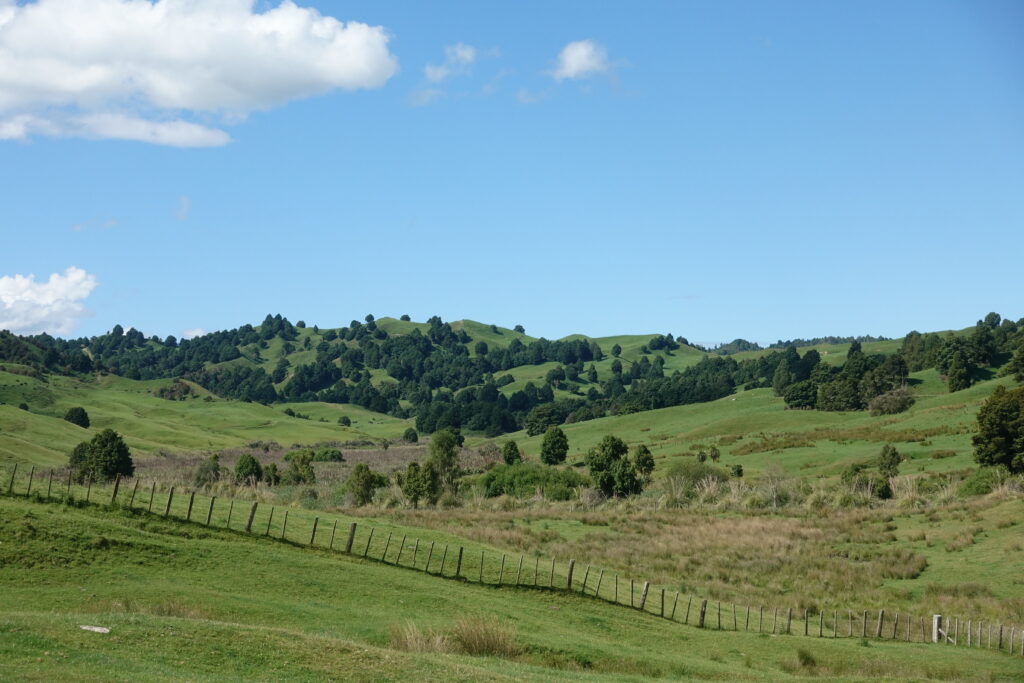
Photo: Prof David Norton, Taumarunui
Every hill country farmer in New Zealand should be incentivised to establish wetlands on their farms that are fenced from grazing and surrounded by restored native forest. Imagine if 50% of all first order streams coming out of pasture-dominated catchments had wetlands in them? The benefits for reducing water flows and sediment loss downstream would be massive. Establishing native wetlands and forests is a Nature based Solution to mitigating the impacts of severe storm events that is lower cost than infrastructure like stopbanks.
But to do this, we need to put in place processes that encourage and facilitate farmers and other landowners to build wetlands. These need to include provision of good advice on where wetlands are best located, how they should be constructed, what to plant in them and their ongoing management. Keeping livestock and feral ungulates out will be critical, and planting native woody vegetation around them will also be important. We also need to ensure that regulatory barriers do not prevent wetlands being built as Nature based Solutions to the climate crisis.
”"Establishing native wetlands and forests is a Nature based Solution to mitigating the impacts of severe storm events that is lower cost than infrastructure like stopbanks."
Well managed wetlands can provide habitat for a range of nationally threatened and uncommon birds including mātātā/fernbird, matuku-hūrepo/bittern and crake (pūeto and kotoreke). These birds require appropriate wetland plant species (harakeke, raupo, purei/pukio etc) and marginal vegetation (mānuka, mingimingi etc) for habitat, as well as predator control and the presence of sufficient wetland habitat in the wider landscape.
Thinking more broadly, another component of water management should be to allow rivers to run more freely in the lower parts of the catchments than they currently do. In most areas of Aotearoa, rivers are confined within stopbanks and are no longer able to spread out as they would have before European settlement. If rivers again had the opportunity to spread out rather than being confined within higher and higher stop banks, this could reduce the pressure from severe flood events on cities like Gisborne and Nelson.
Before human settlement, our rivers did just this with kahikatea forest and extensive harakeke-dominated wetlands occupying these flood areas. When rivers were in flood and their beds could no longer contain them, they would spread, and the water (and sediment) would be absorbed by forests and wetlands. Perhaps it is time that we started thinking about creating similar areas again in the lower parts of our catchments?
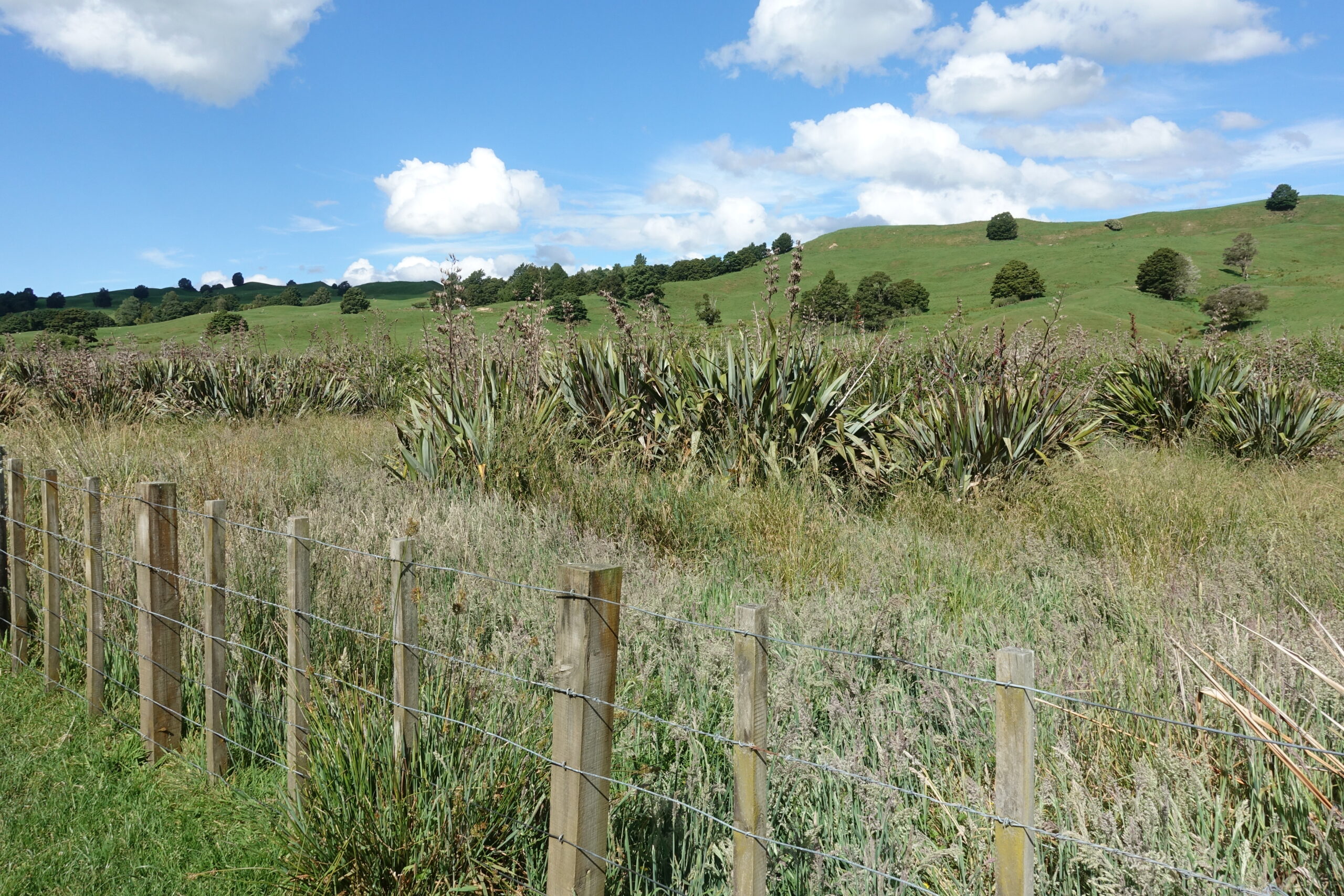
Photo: Prof David Norton, Taumarunui
Protecting existing wetlands and establishing new wetlands are a critical part of how we can help mitigate the impacts of severe storm events. Recloaking Papatūānuku envisages diverse interwoven landscapes with native forests and wetlands complementing other land uses such as farming while also bringing so many additional benefits to all of us in Aotearoa.


Leave a comment